Categories - Children, COVID, Physical Activity, Young People
Date Posted - June 10, 2026
BACKGROUND
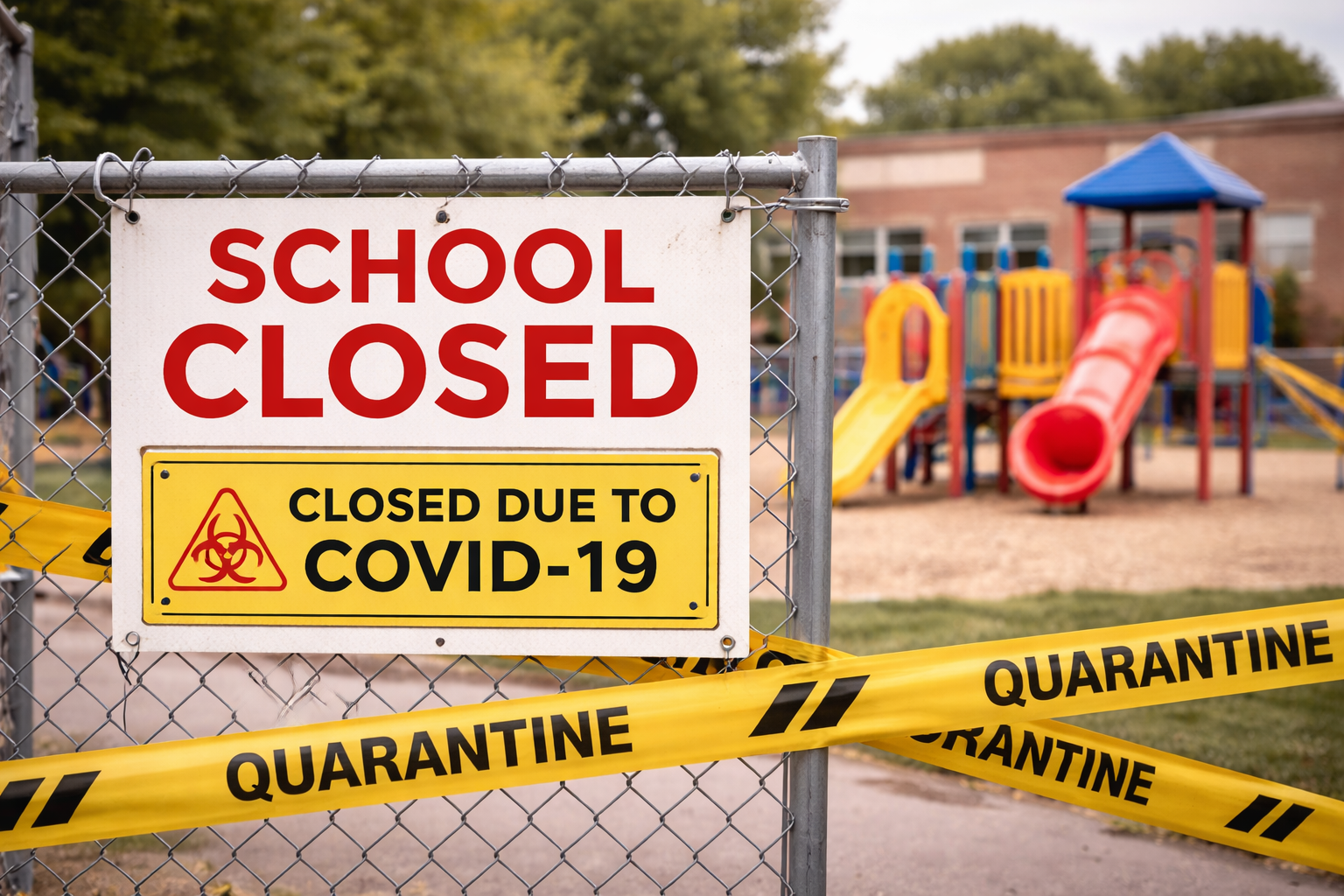
COVID-19 movement restrictions, school closures in particular (physical activity is higher and screen time lower on school days than weekend days and holidays) had well established adverse impacts on key health behaviours like physical activity and screen time. These behavioural changes contributed to many adverse impacts on child development and harmful consequences for physical and mental health of children and adolescents. Impacts were broadly similar in high-income countries with strict ‘lockdown’ regimes like Scotland.
Several Scottish reports addressed different aspects of physical activity and health in Scottish children and adolescents, with different methodology, different domains of physical activity focusing on different age groups, and at different stages of the pandemic. These reports were largely inconclusive and generally did not critique the evidence /data they included.
Active Healthy Kids Scotland Report Card Number 5 www.activehealthykidsscotland.co.uk used the robust international Active Healthy Kids Global Alliance www.activehealthykids.org protocol https://bjsm.bmj.com/content/bjsports/early/2024/12/04/bjsports-2024-108984.full.pdf to formally critique and compare pre (2018-2019)-vs post (2022) pandemic report card data. Comparisons were made for 7 health behaviours (screen time, moderate-to-vigorous intensity physical activity , active commuting, active play, active commuting, organised sport, diet ); 2 health outcomes (obesity; physical fitness) and 3 influences on those health behaviours and outcomes (family and peers; community and environment; government and policy) .The AHKGA protocol has been used successfully in over 70 countries which have produced report cards since 2014, and by 2024 had produced over 230 peer-reviewed publications with >7000 citations.
FINDINGS
- Active Healthy Kids Scotland Report Card 5 concluded that surveillance of the health behaviours and outcomes was either absent or so limited in Scotland that the large effects which likely took place were not discernible. activehealthykidsscotland.co.uk
- Collateral damage from increases in screen time were identifiable: increased cybercrime and cyberbullying; increased obesity; increased type 2 diabetes in young adults (worse in the more socio-economically deprived); myopia; impaired early childhood development activehealthykidsscotland.co.uk
- Active Healthy Kids Scotland Report Card 5 also concluded that national physical activity and health policymaking during the pandemic was of a high standard- new policies were developed quickly, specific policy actions and actors were identified, and specific funding to support those actions were identified activehealthykidsscotland.co.uk
- Lack of surveillance means low visibility of what were probably many adverse health effects and low visibility in turn tends to lead to future policy inaction or poorly informed policy action https://doi.org/10.2471/blt.22.288569
WHY THIS MATTERS
Future infectious disease pandemics are considered inevitable by WHO and the UK COVID-19 Inquiry. A better understanding of the impacts of the last pandemic protection measures would have been useful to protect Scottish children and adolescents from the collateral damage of any future pandemic nursery and school closures https://doi.org/10.1080/17408989.2024.2335143
Improved surveillance before and after future pandemics would help plans to mitigate collateral damage for children and adolescents.
Nursery and school closures almost certainly limited children’s opportunities for active and outdoor play. Children have a right to play and infectious disease control measures in the last pandemic threatened that right.
Key Recommendations
- COVID-19 may be gone but should not be forgotten and the should have important lessons for public health policy in Scotland
- Better monitoring of child and adolescent physical activity and health is needed to understand future pandemic impacts, including impacts on health inequalities
- Policymakers, practitioners children, young people and families in Scotland should be made aware of why future pandemic planning matters to their short and long-term health, and to educational outcomes. They should be involved in a meaningful national conversation about future pandemic planning
For the full brief please download here